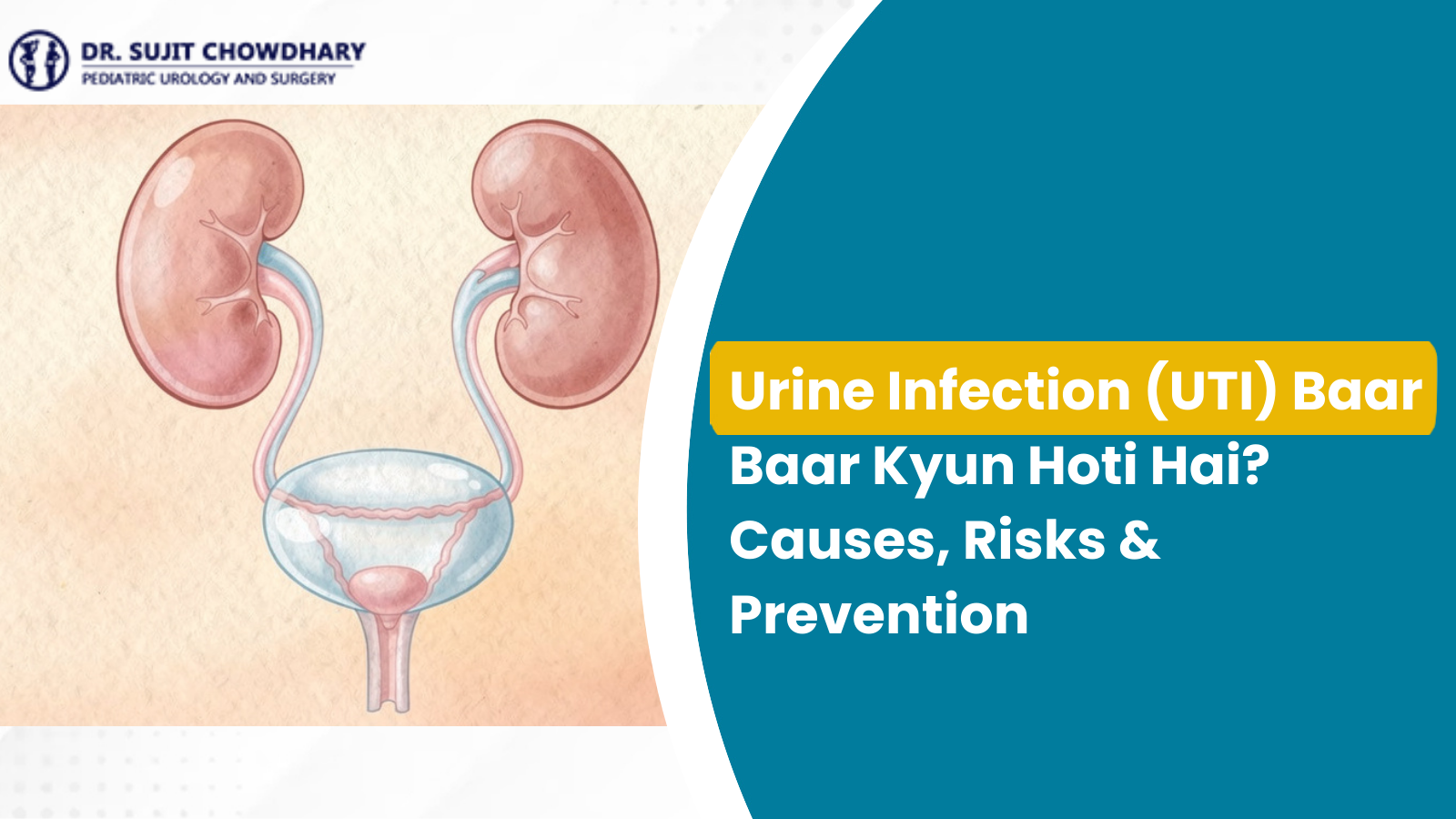
A small child crying whenever they pass urine is one of the hardest things for a parent to watch. When it happens again after a recent course of medicines, many parents start asking a worried question in their mind – urine infection baar baar kyun hoti hai and will this hurt the kidneys.
A Urine Infection (UTI) means germs entering the child’s urinary tract and causing pain, fever, or discomfort. One infection is scary enough. When a Urine Infection (UTI) keeps coming back, it can be a sign that something inside the urinary system is not working quite right. In children, repeated infections are more than just a passing problem; they can affect growing kidneys if not handled properly.
“Any urinary infection in a child is a message from the kidneys that something needs attention.” – Common teaching in paediatric urology
UTIs are quite common in children, especially in infants, toddlers, and young girls. Many clear with simple treatment, but repeated episodes need careful study by a specialist. The good news is that with the right diagnosis, treatment, and prevention plan, most children go on to lead healthy, infection‑free lives.
With more than 25 years of experience in paediatric urology and international recognition, Dr. Sujit Chowdhary – Pediatric Urology in Delhi NCR focuses exactly on these worries. His child‑friendly approach, advanced tests, and minimally invasive methods help find the real reason behind recurrent Urine Infection (UTI) and treat it gently.
In this article, you will learn:
- What a Urine Infection (UTI) is
- Different types of UTIs in children
- Why UTIs keep coming back
- How to recognise UTI symptoms early
- Treatment options for recurrent infections
- Practical UTI prevention tips for daily life
- When to see a paediatric urologist and how Dr. Chowdhary’s team supports families
By the end, you will feel more confident about what is happening, what tests may be needed, and how to protect your child’s kidneys.
Is Urine Infection (UTI) Happening Again and Again?
Burning while passing urine, frequent urge to urinate, lower abdominal pain, fever, or foul-smelling urine can be signs of a recurrent Urine Infection (UTI). Repeated UTIs should never be ignored, as they may affect the bladder and kidneys over time. Our expert urology team provides accurate diagnosis, identifies the root cause, and offers effective prevention-focused treatment.
Consult Our UTI Specialist TodayWhat Is a Urine Infection (UTI)?
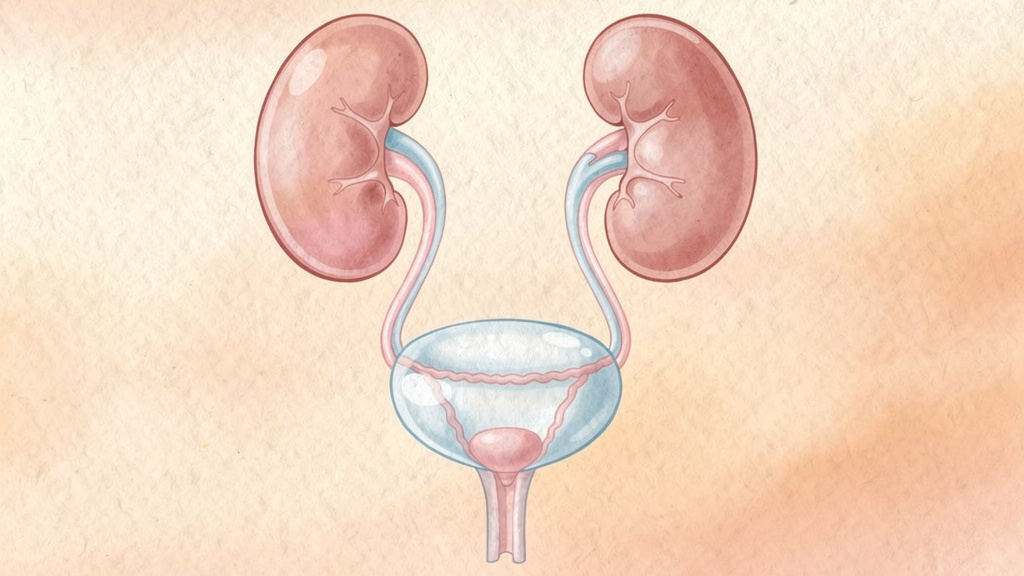
A Urine Infection (UTI) is an infection anywhere in the urinary tract. This tract includes the kidneys, ureters, bladder, and urethra. Its job is to make urine, store it, and then pass it out of the body.
In children, a Urine Infection (UTI) usually happens when bacteria from outside enter the urethra and move upwards. The most common germ is Escherichia coli (E. coli), which normally lives in the intestine. Around 80 to 90 percent of UTIs in children are due to this single bacterium. When it reaches the bladder or kidneys, it can cause burning, fever, and many other urinary tract infection symptoms.
The urinary system parts work together like this:
| Part of Urinary Tract | Simple Role in the Body |
|---|---|
| Kidneys | Filter blood and make urine |
| Ureters | Carry urine from kidneys to bladder |
| Bladder | Stores urine till the child passes it |
| Urethra | Tube that takes urine out of the body |
- If the infection is in the bladder or urethra, it is called a lower UTI.
- When it reaches the kidneys, it becomes an upper UTI (kidney infection), which is more serious.
Children, especially girls and uncircumcised boys, are more at risk because of their anatomy and early toilet habits.
“Urinary tract infection is one of the most frequent serious bacterial infections in young children.” – Standard paediatric teaching
UTIs in children are treatable, but they need quick medical attention. If a Urine Infection (UTI) is ignored or keeps coming back, it can damage the kidneys over time, which is why specialist care is so important.
Types of UTIs in Children
Not all UTIs are the same. Understanding the type helps parents judge how serious the problem might be and why the doctor may advise specific tests or treatments.
The main types are:
- Cystitis (Bladder Infection)
Cystitis is the most common form of Urine Infection (UTI) in children. Here, the infection sits mainly in the bladder. Children may:- Complain of pain or burning during urination
- Keep rushing to the toilet
- Pass only a small amount of urine each time
- Pyelonephritis (Kidney Infection)
Pyelonephritis is more serious because the infection has reached the kidneys. Apart from urinary tract infection symptoms, the child usually has:- High fever and chills
- Back or side pain
- Vomiting and marked tiredness
- Urethritis (Urethral Infection)
Urethritis is an infection of the urethra. It is less common in children but can happen, especially in older ones. The main sign is a strong burning feeling when they start to pass urine. Sometimes there may be redness or irritation at the opening. - Recurrent UTIs
Recurrent UTIs mean:- Two or more infections in six months, or
- Three or more in one year
- Asymptomatic Bacteriuria
This is a situation where bacteria are present in the urine, but the child has no symptoms. In many healthy children this state does not need treatment, though it must be judged by a specialist.
At **Dr. Sujit Chowdhary – Pediatric Urology**, child‑sized equipment and gentle methods help identify exactly which type of Urine Infection (UTI) is present, so treatment can be chosen wisely.
Urine Infection Baar Baar Kyun Hoti Hai? (Why Do UTIs Keep Recurring?)
When parents see the third or fourth Urine Infection (UTI) in a few months, it is natural to feel helpless. Many ask the same question with worry – *urine infection baar baar kyun hoti hai* even after strong medicines. Repeated infections are usually a sign that more is going on than a simple one‑time germ attack.
“When UTIs come back again and again, we must stop asking only ‘which antibiotic?’ and start asking ‘why is this happening?’” – Common approach in paediatric urology
Some common reasons include:
- Incomplete Bladder Emptying
Some children are in a hurry, hold their urine, or are distracted during play. When urine remains in the bladder, bacteria get more time to multiply. Over time, this can lead to recurrent Urine Infection (UTI), especially in toilet‑training toddlers. - Vesicoureteral Reflux (VUR)
An important cause is vesicoureteral reflux. In this condition, urine flows backward from the bladder towards the kidneys instead of only going out. This backward flow:- Carries bacteria upwards
- Can lead to kidney infections
- May cause scarring in growing kidneys
- Constipation
Constipation is a very common and often missed factor. A hard, full rectum presses on the bladder. This:- Makes it harder for the bladder to empty well
- Changes the way the bladder muscles work
Other reasons for recurrence include the following:
- Birth Defects or Structural Problems
Some children are born with urinary tract abnormalities such as posterior urethral valves, ureterocele, or duplex kidney systems. These structural changes disturb the normal urine flow and give bacteria places to hide. Without fixing the structure, infections tend to keep coming back. - Poor Hygiene
Poor hygiene, especially in toilet‑training children, can allow germs to move from the bottom area to the urethra. Wiping from back to front, not washing hands properly, or using harsh soaps around the private parts can all promote repeated Urine Infection (UTI). - Neurogenic Bladder
In a neurogenic bladder, the nerves controlling the bladder do not work properly. This can cause urine holding or dribbling. This problem is seen in some children with spinal issues and often needs specialised bladder training and medicines. - Kidney or Bladder Stones
Kidney stones or bladder stones, though less common in young children, can irritate the lining of the urinary tract and trap bacteria. Until these stones are removed, infections are likely to recur. - Antibiotic Issues
Incomplete antibiotic courses and antibiotic‑resistant bacteria are also important. If tablets are stopped as soon as the child feels better, some germs survive. These tougher bacteria can cause the next Urine Infection (UTI) and may not respond to the same medicine.
Because there are so many possible causes, recurrent UTIs should not be handled with repeated random antibiotic courses alone. At **Dr. Sujit Chowdhary – Pediatric Urology**, children undergo a thorough yet gentle evaluation using ultrasound, specialised scans, and child‑friendly endoscopes when needed. Finding and treating the root cause is the best way to protect growing kidneys and break the cycle of repeated infection.
Recognising UTI Symptoms in Children
UTIs in children can look very different from adult infections. Babies cannot tell where it hurts, and even older children may struggle to describe their discomfort. Knowing common urinary tract infection symptoms by age helps parents catch a problem early.
Infants And Young Babies
In infants and young babies, the signs are often vague. They may have:
- Unexplained fever without cough or cold
- Irritability or constant crying
- Poor feeding or refusal to feed
- Vomiting or loose stools
- Just “not looking well” or being less active than usual
- Strong‑smelling urine or fewer wet nappies than expected
Any fever in a baby under three months needs urgent medical review, as a **Urine Infection (UTI)** is a possible cause.
Toddlers And Young Children
Toddlers and young children often show clearer urinary signs. They may:
- Cry or scream while passing urine
- Run to the toilet many times
- Suddenly start wetting themselves after being dry for months
- Hold urine because they fear the burning
- Complain of tummy pain or back pain
- Have a low‑grade fever and look tired
Holding urine to avoid pain then worsens the problem by allowing bacteria to stay longer in the bladder.
Older Children
Older children can usually describe their symptoms better. They may say that they:
- Feel burning when they pass urine
- Need to go very often, even at night
- Feel that the bladder is not empty after urinating
The urine may:
- Look cloudy or reddish
- Have a strong or unusual smell
Pelvic discomfort, tiredness, and reduced activity are also frequent complaints during a Urine Infection (UTI).
Warning Signs Of Kidney Infection
Warning signs of a **kidney infection (pyelonephritis)** include:
- High fever above 38.3°C
- Chills or shivering
- Pain in the back or side
- Continuous vomiting or refusal to drink
- In rare cases, unusual sleepiness or confusion
Such symptoms need immediate medical care, as the infection may be spreading beyond the urinary tract. At Dr. Sujit Chowdhary’s clinic, the team pays close attention not just to lab reports but also to subtle behaviour changes. The child‑friendly environment and calm manner help anxious children share what they feel, which makes diagnosis safer and faster.
Men Mein UTI Problem – Do Boys Get UTIs?
Many families believe that Urine Infection (UTI) is mostly a girls’ problem. While it is true that girls have higher rates after the first year of life, baby boys can and do get UTIs, and these episodes need careful attention. During the first year, especially in the first few months, uncircumcised male infants have a higher risk of Urine Infection (UTI). Bacteria can collect under the foreskin, and if cleaning is difficult, they may enter the urethra. **Phimosis**, where the foreskin is too tight to pull back, can trap secretions and germs and lead to repeated infections. Some structural problems are seen only in boys, such as **posterior urethral valves**. This is a thin membrane in the urethra that blocks urine flow. It can cause:
- Weak urine stream
- Poor bladder emptying
- Recurrent Urine Infection (UTI), sometimes with kidney swelling
Boys with vesicoureteral reflux are also at high risk for kidney infections. After the age of one, the pattern changes, and girls become more likely to get UTIs. However, any Urine Infection (UTI) in a boy, at any age, is a red flag for doctors. It often points to an underlying blockage or reflux that needs expert review. Dr. Sujit Chowdhary has wide experience with male‑specific urological conditions, from phimosis to complex posterior urethral valves. With minimally invasive techniques and child‑sized instruments, he helps correct these issues with as little pain and hospital stay as possible.
How Are Recurrent UTIs Diagnosed in Children?
Hearing that a child needs “tests” can worry any parent. Understanding what to expect reduces fear and helps families feel more prepared when they visit a paediatric urologist about recurrent Urine Infection (UTI). The first step is always a detailed discussion. The doctor will ask about:
- The child’s symptoms and their timing
- Toilet habits and any urine holding
- Bowel pattern and constipation
- Previous infections and medicines taken
- Any family history of kidney or urinary tract problems
A gentle physical examination looks for fever, tummy or back tenderness, swelling in the kidneys, or signs of constipation.
Urine Tests
Correct urine collection is very important:
- For toilet‑trained children, a clean‑catch midstream sample is taken after washing the area.
- For babies and toddlers, a sterile collection bag or a very soft catheter may be used.
At Dr. Chowdhary’s practice, the gentlest possible method is chosen, and trained nurses guide parents through each step. The first test is usually **urinalysis**. This checks for:
- White blood cells
- Red blood cells
- Nitrites
- Bacteria
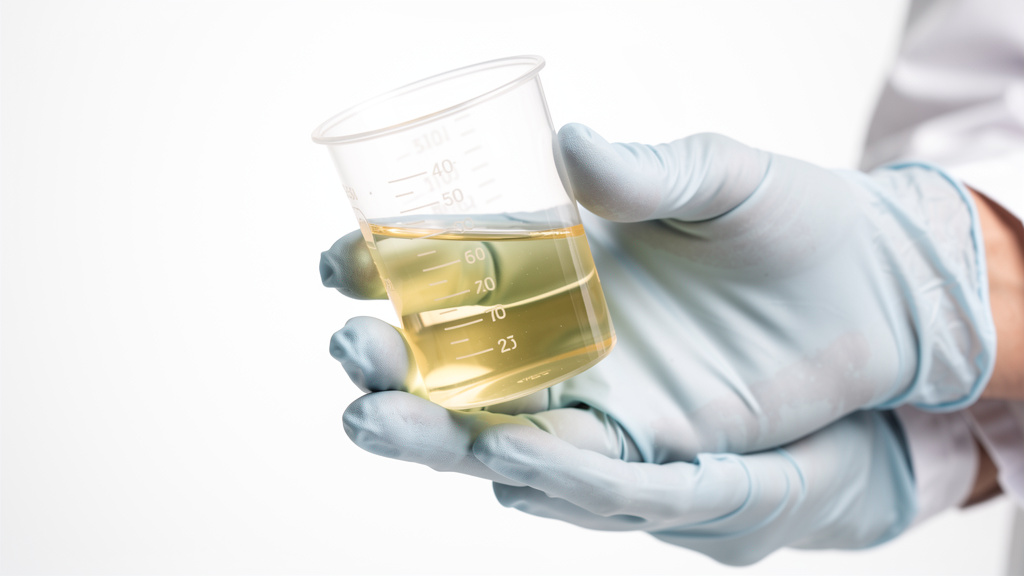
A **urine culture** then grows the bacteria so that the exact germ and its antibiotic sensitivity can be found. This guides the most effective treatment for the Urine Infection (UTI).
Imaging And Other Tests
If UTIs keep returning, imaging tests are added:
- Ultrasound of kidneys and bladder
- Safe and painless
- Uses sound waves, not radiation
- Shows swelling, stones, bladder wall changes, or leftover urine after voiding
- Voiding Cystourethrogram (VCUG)
- An X‑ray test done while the child passes urine
- Looks for vesicoureteral reflux (VUR) and urethral problems
- DMSA Scan
- A type of nuclear scan
- Checks kidney function and possible scarring after repeated infections
In some complex cases, a small camera test called cystoscopy is needed to see inside the urethra and bladder. Dr. Sujit Chowdhary uses specially designed, thin paediatric scopes that reduce discomfort.
“The right investigation at the right time can protect the kidneys while avoiding unnecessary tests.” – Principle followed in paediatric urology practice
Not every child needs every test. The plan is always individual, aiming to gather just enough information to protect the kidneys and stop future infections.
Urine Infection Ka Ilaj – Treatment Options for Recurrent UTIs
When a child has an active Urine Infection (UTI), the priority is to clear the germs quickly and ease pain. The main treatment is एंटीबायोटिक्स chosen according to the urine culture report.
Treating An Active UTI
For a simple bladder infection, a short antibiotic course is usually enough. Kidney infections may need:
- Longer treatment
- Hospital admission for intravenous medicines
- Intravenous fluids to maintain hydration
Important points during treatment:
- The child must complete the full antibiotic course, even if they seem better in two days. Stopping early allows some bacteria to survive and cause the next Urine Infection (UTI).
- Age‑appropriate pain relievers such as paracetamol can help with fever and burning.
- Warm compresses on the lower tummy or back may give extra comfort.
Drinking more water helps to flush bacteria out of the urinary tract. Your doctor will guide how much fluid is safe, depending on the child’s age and kidney function. During treatment, it helps to avoid fizzy drinks and very strong juices that might irritate the bladder.
Long-Term Management Of Recurrent UTIs
For children with recurrent infections, treatment goes beyond clearing each episode:
- Low‑dose preventive antibiotics may be given once a day at night for several months. This plan is common in moderate or severe vesicoureteral reflux or while waiting for surgery. Regular follow‑up and repeat urine tests check that this approach is working.
- Treating underlying causes is central to long‑term success. This may include:
- Endoscopic correction of reflux
- Removal of stones
- Repair of structural abnormalities using minimally invasive or robotic surgery
- Supportive Measures
Other parts of urine infection ka ilaj include:- Constipation management
- Bladder training with timed voiding
- Teaching children good toilet hygiene and relaxed posture on the toilet
Dr. Chowdhary’s team stays in touch through 24/7 tele or video consultation for urgent doubts, helping parents feel supported even after leaving the hospital.
Is Urine Infection (UTI) Happening Again and Again?
Burning while passing urine, frequent urge to urinate, lower abdominal pain, fever, or foul-smelling urine can be signs of a recurrent Urine Infection (UTI). Repeated UTIs should never be ignored, as they may affect the bladder and kidneys over time. Our expert urology team provides accurate diagnosis, identifies the root cause, and offers effective prevention-focused treatment.
Consult Our UTI Specialist TodayUTI Prevention Tips To Protect Your Child From Infections
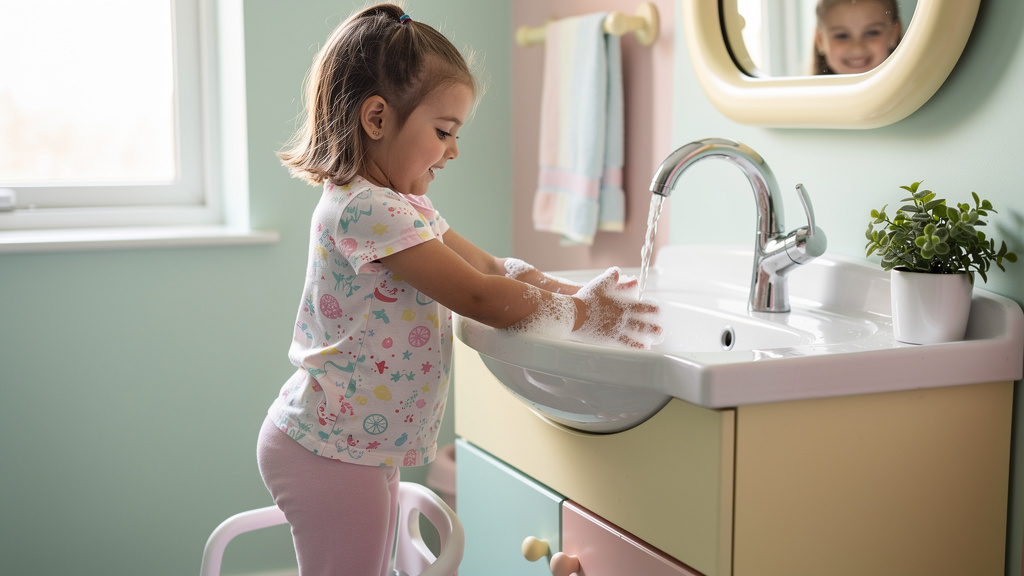
While not every Urine Infection (UTI) can be avoided, smart daily habits can cut the risk and reduce recurrence. These UTI prevention tips are simple but powerful when followed regularly at home.
Hygiene Habits
Good hygiene is the first step:
- Teach girls to wipe from front to back after using the toilet, so germs from the bottom area do not reach the urethra.
- The genital area should be washed once a day with mild, unscented soap and water, then patted dry.
- Bubble baths, strong perfumed washes, and talc around the private parts can irritate the delicate skin and make infection easier.
For infants, frequent nappy changes and gentle cleaning during each change reduce the chance of a Urine Infection (UTI).
Hydration And Toilet Routine
Hydration matters a lot:
- Children should drink enough water through the day so that their urine stays pale yellow rather than dark.
- Diluted urine makes it harder for bacteria to grow and helps flush them out.
- Exact amounts vary with age and weight, so it is helpful to ask the doctor for a rough daily fluid goal.
Regular toilet habits protect the bladder:
- Encourage your child not to hold urine for long periods, especially during school or play.
- Setting a routine where they try to pass urine every three hours can help.
- Ask them to sit calmly on the toilet, feet supported, and take time to empty fully.
If they fear pain because of a recent Urine Infection (UTI), gentle reassurance and small rewards for trying can change this pattern.
Constipation Care
Constipation needs special attention:
- A diet rich in fruits, vegetables, and whole grains, along with enough water, keeps stools soft.
- Regular toilet time after meals, without screens or rushing, helps the bowel move.
If constipation continues despite these steps, paediatric advice is important, as treating it often reduces UTIs.
Clothing Choices
Clothing also plays a role:
- Cotton underwear lets the skin breathe and keeps the area drier.
- Very tight jeans, synthetic underwear, and sitting in wet swimming costumes for long periods trap moisture and heat, which germs enjoy.
- Changing into dry clothes soon after swimming and daily underwear changes are simple but effective habits.
In boys with repeated UTIs and tight foreskin, a discussion with a paediatric urologist about treatment and, in some cases, circumcision may be advised.
Role Of Probiotics And Supplements
Probiotics may support a healthy balance of gut and genital bacteria and can be discussed with your doctor. Cranberry products have limited evidence in children and should never replace proper medical treatment for UTIs.
At Dr. Sujit Chowdhary – Pediatric Urology, parents receive prevention plans that bring together hygiene, diet, and medical advice based on their child’s age and underlying condition.
When Should You See a Pediatric Urologist?

Many children with a single simple Urine Infection (UTI) can be managed by their general paediatrician. However, certain situations call for early input from a paediatric urologist to protect the kidneys and avoid long‑term harm.
You should seek specialist advice if:
- Your baby is under two months and has a suspected or proven UTI
- Your child has a kidney infection with high fever and vomiting
- Any boy of any age has a UTI
- A girl has two or more UTIs in six months, or three or more in a year
- Ultrasound shows swelling of the kidneys, stones, or leftover urine after voiding
- Infections do not improve quickly with antibiotics
- There are repeated episodes despite good hygiene and prevention steps
- Constipation‑related UTIs continue despite diet and lifestyle changes
“Early referral to a paediatric urologist can prevent scarring and protect kidney function in children with recurrent UTIs.” – Widely accepted clinical guidance
Early specialist care can prevent scarring and long‑term kidney damage. With advanced training in paediatric urology, international fellowships, and years of focused practice in Delhi NCR, Dr. Sujit Chowdhary – Pediatric Urology provides this level of care, including support for families travelling from other parts of India and abroad.
Dr. Sujit Chowdhary’s Approach To Paediatric UTI Management
What sets Dr. Sujit Chowdhary apart is not only his technical skill but also the way he and his team relate to children and parents. The clinic is designed to feel welcoming, with a child‑friendly atmosphere that reduces fear of doctors and hospitals. Staff are trained to speak gently, use simple words, and give children time to settle.
During assessment of a Urine Infection (UTI), Dr. Chowdhary uses specialised paediatric tools made in smaller sizes. These instruments are created specially for children’s kidneys and urinary tracts, so tests like cystoscopy or endoscopic surgery are as comfortable as possible. Whenever imaging is needed, the safest methods and lowest possible radiation doses are chosen.
His approach is always comprehensive. Instead of only treating each Urine Infection (UTI) as it comes, he looks for the deeper cause, whether it is:
- Vesicoureteral reflux
- Obstruction or blockage
- Bladder dysfunction
- Constipation or bowel problems
Parents are included in every decision, with clear explanations of diagnosis, options, and expected outcomes. This family‑centred style helps parents feel confident about the plan.
When surgery is needed, Dr. Chowdhary prefers minimally invasive and robotic techniques for suitable cases. These methods often mean smaller cuts, less pain, and quicker recovery for the child. Long‑term follow‑up visits and periodic scans check that infections stay away and kidney function remains healthy.
For families travelling from other states or countries, a dedicated international patient team helps with visas, airport transfers, accommodation, and even post‑recovery sightseeing if desired. With 24/7 access for urgent worries and a long record of paediatric urology care, many parents feel reassured knowing that their child’s Urine Infection (UTI) is being managed by a highly experienced, child‑focused specialist.
Conclusion
Repeated Urine Infection (UTI) in a child is never something to ignore or simply “wait and watch”. While a single infection is common and often clears with simple treatment, recurrent episodes usually signal an underlying problem such as reflux, blockage, bladder dysfunction, or constipation.
Finding and treating the root cause is the key to protecting growing kidneys and giving the child a healthy future. Most conditions linked with recurrent Urine Infection (UTI) are treatable, especially when discovered early. Completing prescribed medicines, attending follow‑up visits, and following practical prevention tips at home all play their part.
Parents who worry about their child’s repeated UTIs are right to look for answers. Seeking specialist care is not an act of fear; it is a strong, positive step towards long‑term health. With his gentle manner, child‑friendly clinic, and advanced paediatric urology skills, Dr. Sujit Chowdhary – Pediatric Urology helps families move from confusion and anxiety to clarity and control.
If a child in the family has frequent UTIs, poor response to treatment, or abnormal scan reports, this is the time to book a consultation rather than delay. With proper guidance, most children can enjoy school, play, and daily life without the shadow of constant infection.
Is Urine Infection (UTI) Happening Again and Again?
Burning while passing urine, frequent urge to urinate, lower abdominal pain, fever, or foul-smelling urine can be signs of a recurrent Urine Infection (UTI). Repeated UTIs should never be ignored, as they may affect the bladder and kidneys over time. Our expert urology team provides accurate diagnosis, identifies the root cause, and offers effective prevention-focused treatment.
Consult Our UTI Specialist TodayCan a Child Outgrow Recurrent UTIs?
Some children have fewer UTIs as they grow older, start using the toilet correctly, and learn better hygiene habits. However, recurrent Urine Infection (UTI) can be a sign of conditions such as vesicoureteral reflux or blockage that do not disappear on their own. Waiting and hoping may allow kidney damage to develop. A full evaluation with a paediatric urologist is far safer.
Are UTIs in Babies Serious?
Yes, UTIs in young babies, especially under two months, are always taken very seriously. At this age their immune system is still developing, so infection can spread quickly to the kidneys or bloodstream. A baby with fever and suspected Urine Infection (UTI) often needs hospital care, intravenous antibiotics, and careful scanning to look for hidden urinary tract problems.
Can Diet Prevent UTIs in Children?
Diet alone cannot fully prevent Urine Infection (UTI), but it supports other measures:
Drinking enough water helps flush bacteria from the urinary tract.
A high‑fibre diet reduces constipation, which is a known trigger for recurrent UTIs.
Probiotics may support healthy bacteria, though they do not replace medical treatment.
Cranberry products have limited proven benefit in children and should be used only after discussing with a doctor.
How Long Does It Take for UTI Symptoms To Improve With Antibiotics?
Most children start to feel better within one to two days after starting the right antibiotic for a Urine Infection (UTI):
Fever often settles within twenty‑four hours.
Burning or urgency should ease over two to three days.
If symptoms do not improve after forty‑eight hours, or get worse, parents should contact the doctor, as the bacteria may be resistant or the infection more complicated.
Is Surgery Always Needed for Recurrent UTIs?
Surgery is not needed for every child with recurrent Urine Infection (UTI). Many improve with a mix of:
Antibiotics
Constipation treatment
Bladder training
Hygiene and lifestyle changes
Surgery is considered when there are structural problems, severe reflux that does not improve, or stones and obstructions. With modern keyhole and robotic methods used by Dr. Sujit Chowdhary, many procedures involve small cuts and quicker recovery.