जब एक बच्चे को ट्यूमर का निदान किया जाता है, तो यह समझ में आता है, हर माता-पिता का सबसे बुरा सपना होता है। जबकि बाल चिकित्सा कैंसर शुक्र है कि दुर्लभ हैं, मूत्र पथ और प्रजनन अंगों को प्रभावित करने वाले विशिष्ट प्रकार के ट्यूमर को पहचानना सही और सबसे समय पर उपचार की तलाश के लिए महत्वपूर्ण है। इन ट्यूमर के लिए एक बहुत ही विशिष्ट दृष्टिकोण की आवश्यकता होती है, यही कारण है कि बाल चिकित्सा मूत्र रोग विशेषज्ञ की भूमिका को समझना आवश्यक है।
आप पूछ रहे होंगे, बाल चिकित्सा मूत्र रोग विशेषज्ञ और अन्य विशेषज्ञों के बीच क्या अंतर है? सीधे शब्दों में कहें, एक बाल चिकित्सा मूत्र रोग विशेषज्ञ को बच्चे के विकासशील जननांग प्रणाली की सर्जिकल और कार्यात्मक जटिलताओं दोनों का प्रबंधन करने के लिए विशिष्ट रूप से प्रशिक्षित किया जाता है। यह मार्गदर्शिका सबसे आम बाल चिकित्सा मूत्र संबंधी ट्यूमर, उनके उपचार विकल्पों और इस अत्यधिक विशिष्ट क्षेत्र में विशेषज्ञों द्वारा निभाई गई महत्वपूर्ण भूमिका को रेखांकित करने के लिए समर्पित है।
बाल चिकित्सा मूत्र संबंधी ट्यूमर को समझना
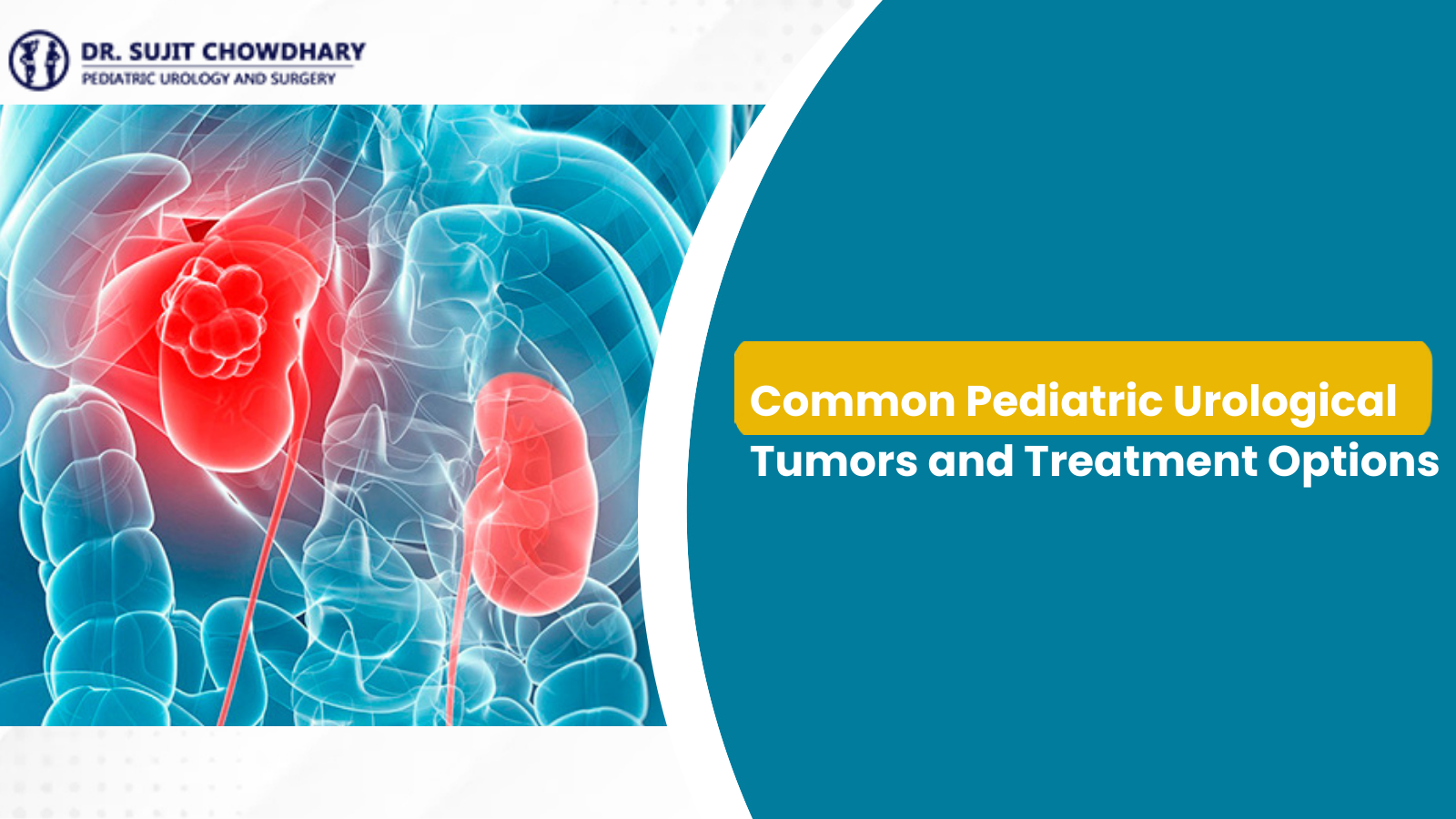
बाल चिकित्सा मूत्र संबंधी ट्यूमर द्रव्यमान होते हैं जो गुर्दे, अधिवृक्क ग्रंथियों, मूत्राशय या बच्चों के प्रजनन अंगों में उत्पन्न होते हैं। उनका प्रबंधन एक बहु-विषयक टीम की मांग करता है, जिसमें ऑन्कोलॉजिस्ट, रेडियोलॉजिस्ट और गंभीर रूप से, भारत में एक बाल चिकित्सा मूत्र रोग विशेषज्ञ शामिल हैं।
A. बाल चिकित्सा ट्यूमर की दुर्लभता और विशिष्टता
बचपन के ट्यूमर वयस्कों में पाए जाने वाले ट्यूमर से काफी भिन्न होते हैं। वे अक्सर तेजी से बढ़ते हैं और उपचार के लिए अलग-अलग प्रतिक्रिया देते हैं। मूत्र पथ के लिए, बाल चिकित्सा ट्यूमर के विशाल बहुमत में होते हैं गुर्दे .
जन्म। बाल चिकित्सा मूत्र रोग विशेषज्ञ और अन्य विशेषज्ञों के बीच क्या अंतर है?
इन दुर्लभ और जटिल स्थितियों के प्रबंधन में यह एक महत्वपूर्ण प्रश्न है:
- बाल चिकित्सा मूत्र रोग विशेषज्ञ: वे सर्जन हैं जो बच्चों के मूत्र और प्रजनन प्रणाली के विशेषज्ञ हैं। उनकी भूमिका अक्सर ट्यूमर के सर्जिकल हटाने (जैसे, कट्टरपंथी या आंशिक नेफरेक्टोमी) और किसी भी परिणामी जटिलताओं का प्रबंधन करने पर केंद्रित होती है, जैसे कि शेष गुर्दे के कार्य को संरक्षित करना या मूत्र पथ का पुनर्निर्माण करना। उनका प्रशिक्षण उन्हें नाजुक, बच्चे के आकार की प्रक्रियाओं को करने की अनुमति देता है।
- बाल चिकित्सा ऑन्कोलॉजिस्ट: यह चिकित्सक कीमोथेरेपी और विकिरण चिकित्सा सहित कैंसर के चिकित्सा उपचार को संभालता है, जो अक्सर सर्जरी से पहले या बाद में होता है।
- दिल्ली में बाल चिकित्सा सर्जन: जबकि एक सामान्य बाल चिकित्सा सर्जन बचपन के ऑपरेशन की एक विस्तृत श्रृंखला को संभालता है, एक भारत में बाल चिकित्सा मूत्र रोग विशेषज्ञ विशेष रूप से जननांग अंगों में विशेष विशेषज्ञता है, जो जटिल सर्जिकल मार्जिन और कार्यात्मक परिणाम प्राप्त करने के लिए सर्वोपरि है।
सामान्य बाल चिकित्सा मूत्र संबंधी ट्यूमर और उनका प्रबंधन
इस प्रणाली में बाल चिकित्सा ट्यूमर को मोटे तौर पर उनके स्थान के आधार पर वर्गीकृत किया जा सकता है: गुर्दे और गोनाड।
A. गुर्दे के ट्यूमर: विल्म्स ट्यूमर (नेफ्रोब्लास्टोमा)
विल्म्स ट्यूमर बच्चों में सबसे आम किडनी कैंसर है और कुल मिलाकर चौथा सबसे आम बाल चिकित्सा दुर्दमता है। यह आमतौर पर दो से पांच साल की उम्र के बच्चों को प्रभावित करता है।
लक्षण और निदान:
- पेट की सूजन/द्रव्यमान: यह सबसे आम प्रस्तुति है। माता-पिता अक्सर बच्चे के पेट में एक दृढ़, दर्द रहित द्रव्यमान देखते हैं।
- पेट दर्द
- बुखार, हेमट्यूरिया (मूत्र में रक्त), या उच्च रक्तचाप (उच्च रक्तचाप)।
उपचार का विकल्प:
विल्म्स ट्यूमर प्रबंधन विश्व स्तर पर अत्यधिक मानकीकृत है, जो मंचन द्वारा निर्देशित एक मल्टीमॉडल दृष्टिकोण पर निर्भर करता है।
- कीमोथेरेपी (प्री-ऑपरेटिव): अधिकांश प्रमुख प्रोटोकॉल (विशेष रूप से उत्तरी अमेरिका के बाहर) में, कीमोथेरेपी प्रशासित की जाती है इससे पहले ट्यूमर को सिकोड़ने के लिए सर्जरी (नियोएडजुवेंट), ऑपरेशन को सुरक्षित बनाता है और संभावित रूप से गुर्दे-बख्शने की सर्जरी की अनुमति देता है।
- सर्जरी (रेडिकल या आंशिक नेफरेक्टोमी): भारत में बाल चिकित्सा मूत्र रोग विशेषज्ञ सर्जिकल चरण के लिए जिम्मेदार है।
- रेडिकल नेफरेक्टोमी: पूरे प्रभावित गुर्दे को हटाना, जो सबसे आम प्रक्रिया है.
- आंशिक नेफरेक्टोमी: छोटे ट्यूमर या दोनों गुर्दे को शामिल करने वालों के लिए, मूत्र रोग विशेषज्ञ केवल ट्यूमर को हटाने के लिए काम करता है, जबकि जितना संभव हो उतना स्वस्थ गुर्दे के ऊतकों को संरक्षित करता है, जो दीर्घकालिक स्वास्थ्य के लिए महत्वपूर्ण है।
- पोस्ट-ऑपरेटिव कीमोथेरेपी/विकिरण: हटाने के बाद ट्यूमर के चरण और विकृति के आधार पर, आगे कीमोथेरेपी या स्थानीयकृत विकिरण आवश्यक हो सकता है।
B. गोनाड के ट्यूमर (वृषण और डिम्बग्रंथि)
जबकि कुछ वृषण ट्यूमर सौम्य होते हैं, कई घातक होते हैं और उन्हें सावधानीपूर्वक, शीघ्र प्रबंधन की आवश्यकता होती है।
वृषण ट्यूमर (लड़कों में सबसे आम)
वृषण में ट्यूमर अक्सर अंडकोश में एक दृढ़, दर्द रहित गांठ के रूप में मौजूद होते हैं। बच्चों में सबसे आम प्रकार जर्दी थैली ट्यूमर और टेराटोमा हैं।
- निदान-क्रिया: अल्ट्रासाउंड और विशिष्ट रक्त ट्यूमर मार्कर (एएफपी और एचसीजी)।
- उपचार: प्रारंभिक उपचार में एक कट्टरपंथी वंक्षण ऑर्किक्टोमी (कमर में एक चीरा के माध्यम से अंडकोष को सर्जिकल रूप से हटाना, न कि अंडकोश, प्रसार को रोकने के लिए) शामिल है। सर्जरी के बाद, कीमोथेरेपी या निगरानी ट्यूमर के प्रकार और चरण द्वारा निर्धारित की जाती है।
डिम्बग्रंथि ट्यूमर (लड़कियों में)
डिम्बग्रंथि द्रव्यमान का अक्सर निदान किया जाता है जब वे घुमा के कारण तीव्र पेट दर्द का कारण बनते हैं ( मरोड़ ). जबकि अधिकांश सौम्य अल्सर हैं, रोगाणु सेल ट्यूमर जैसे घातक ट्यूमर को खारिज किया जाना चाहिए।
- उपचार: द्रव्यमान या प्रभावित अंडाशय को हटाने के लिए सर्जरी। प्रजनन क्षमता को संरक्षित करना एक प्रमुख विचार है, जिसके लिए अक्सर भारत में बाल चिकित्सा मूत्र रोग विशेषज्ञ और ऑन्कोलॉजिस्ट से परामर्श की आवश्यकता होती है।
विशेषज्ञ का लाभ: विशेषज्ञता और प्रौद्योगिकी
बाल चिकित्सा मूत्र संबंधी ट्यूमर का सर्जिकल उपचार वयस्क ट्यूमर सर्जरी से मौलिक रूप से अलग है। बच्चों के छोटे अंग, अधिक जटिल संवहनी संरचनाएं और उनके आगे जीवन भर का विकास होता है। यह वह जगह है जहां भारत में बाल चिकित्सा मूत्र रोग विशेषज्ञ का विशेष प्रशिक्षण अपरिहार्य हो जाता है।
A. मिनिमली इनवेसिव सर्जरी (MIS)
आधुनिक उपचार प्रोटोकॉल जब भी संभव हो न्यूनतम इनवेसिव दृष्टिकोण का पक्ष लेते हैं, वसूली के समय को कम करते हैं और आघात को कम करते हैं।
- लेप्रोस्कोपिक और रोबोटिक सर्जरी: विल्म्स ट्यूमर या जटिल गुर्दे के द्रव्यमान जैसे ट्यूमर के लिए, उच्च प्रशिक्षित सर्जन, जैसे डॉ. सुजीत चौधरी , छोटे कीहोल चीरों के माध्यम से नेफरेक्टोमी करने के लिए रोबोट या लेप्रोस्कोपिक तकनीकों का उपयोग करें। इस मांग वाले काम के लिए ऑन्कोलॉजिकल सिद्धांतों (कोई ट्यूमर स्पिलेज नहीं) को बनाए रखते हुए एक सीमित स्थान में उपकरणों में हेरफेर करने के लिए विशेष कौशल की आवश्यकता होती है। इस क्षेत्र में डॉ. चौधरी की विशेषज्ञता युवा रोगियों के लिए एक महत्वपूर्ण लाभ है।
- गुर्दे का संरक्षण: बच्चों में, शेष गुर्दे के ऊतकों के कार्य को अधिकतम करना एक दीर्घकालिक स्वास्थ्य लक्ष्य है। एमआईएस तकनीक अक्सर अधिक सावधानीपूर्वक आंशिक नेफरेक्टोमी की अनुमति देती है, जो भारत में बाल चिकित्सा मूत्र रोग विशेषज्ञ के लिए एक प्रमुख फोकस है जो द्विपक्षीय या एकल-किडनी ट्यूमर का इलाज करता है।
जन्म। बहु-विषयक टीम की भूमिका
बाल चिकित्सा ट्यूमर का सफल प्रबंधन कभी भी अलगाव में नहीं किया जाता है। टीम दृष्टिकोण महत्वपूर्ण है:
- बाल चिकित्सा ऑन्कोलॉजिस्ट: प्रणालीगत प्रभाव और कीमोथेरेपी का प्रबंधन करता है।
- बाल चिकित्सा रेडियोलॉजिस्ट: उच्च-रिज़ॉल्यूशन इमेजिंग प्रदान करता है और बायोप्सी का मार्गदर्शन करता है।
- रोगविज्ञानी: ट्यूमर के विशिष्ट प्रकार और आक्रामकता को निर्धारित करता है।
- बाल चिकित्सा मूत्र रोग विशेषज्ञ: हटाने के लिए सर्जिकल विशेषज्ञता प्रदान करता है और उपचार के कार्यात्मक मूत्र परिणामों का प्रबंधन करता है।
दीर्घकालिक अनुवर्ती और रोग का निदान
अच्छी खबर यह है कि कई बाल चिकित्सा मूत्र संबंधी ट्यूमर, विशेष रूप से विल्म्स ट्यूमर के लिए रोग का निदान जब जल्दी पकड़ा जाता है, तो उच्च जीवित रहने की दर के साथ उत्कृष्ट होता है। हालाँकि, दीर्घकालिक अनुवर्ती कार्रवाई महत्वपूर्ण है।
- निगरानी: बच्चों को पुनरावृत्ति या नए ट्यूमर के विकास को देखने के लिए नियमित शारीरिक परीक्षा और इमेजिंग सहित वर्षों की सावधानीपूर्वक निगरानी की आवश्यकता होती है।
- गुर्दे के कार्य की निगरानी: जो लोग नेफरेक्टोमी से गुजर चुके हैं, उनके लिए बची हुई किडनी की पूरे जीवन के लिए निगरानी की जानी चाहिए। भारत में बाल चिकित्सा मूत्र रोग विशेषज्ञ बाल चिकित्सा नेफ्रोलॉजिस्ट के साथ काम करते हैं ताकि यह सुनिश्चित किया जा सके कि शेष किडनी स्वस्थ रहे।
- प्रजनन क्षमता और कार्य: वृषण ट्यूमर से बचे लोगों के लिए, प्रजनन संबंधी मुद्दों और हार्मोन की कमी की निगरानी भी दीर्घकालिक देखभाल योजना का एक महत्वपूर्ण हिस्सा है।
उत्तर देने में निहित विशेषज्ञता बाल चिकित्सा मूत्र रोग विशेषज्ञ के बीच अंतर क्या है, बच्चे की जटिल स्वास्थ्य आवश्यकताओं के प्रति इस आजीवन प्रतिबद्धता द्वारा रेखांकित किया गया है।
निष्कर्ष: जटिल समस्याओं के लिए विशेष देखभाल
बाल चिकित्सा मूत्र संबंधी ट्यूमर के निदान को नेविगेट करना चुनौतीपूर्ण है, लेकिन यह समझना कि बाल चिकित्सा मूत्र रोग विशेषज्ञ और अन्य विशेषज्ञों के बीच क्या अंतर है, आगे का रास्ता स्पष्ट करता है। इन दुर्लभ कैंसरों के प्रबंधन के लिए आपको एक अत्यधिक समर्पित, विशेष टीम की आवश्यकता है।
डॉ. सुजीत चौधरी जैसे विशेषज्ञ इस टीम के प्रमुख सदस्य हैं, जो ट्यूमर के सुरक्षित और प्रभावी निष्कासन के लिए न्यूनतम इनवेसिव और रोबोटिक दृष्टिकोण सहित उन्नत सर्जिकल तकनीकों की पेशकश करते हैं। भारत में एक बाल चिकित्सा मूत्र रोग विशेषज्ञ के रूप में उनकी विशिष्ट विशेषज्ञता यह सुनिश्चित करती है कि आपके बच्चे को दीर्घकालिक कार्यात्मक और ऑन्कोलॉजिकल परिणामों पर केंद्रित सावधानीपूर्वक देखभाल मिले।
समय पर निदान और विशेषज्ञ, विशेष शल्य चिकित्सा देखभाल एक सफल वसूली की आधारशिला हैं।
अक्सर पूछे जाने वाले प्रश्न :
प्रश्न 1. बाल चिकित्सा मूत्र संबंधी ट्यूमर क्या हैं?
बाल चिकित्सा मूत्र संबंधी ट्यूमर असामान्य वृद्धि है जो गुर्दे, अधिवृक्क ग्रंथियों, मूत्राशय या बच्चों के प्रजनन अंगों में होती है। बच्चे के विकासशील मूत्र प्रणाली की नाजुक प्रकृति के कारण उन्हें भारत में एक बाल चिकित्सा मूत्र रोग विशेषज्ञ से अत्यधिक विशिष्ट देखभाल की आवश्यकता होती है।
प्रश्न 2. ट्यूमर के उपचार में बाल चिकित्सा मूत्र रोग विशेषज्ञ की क्या भूमिका है?
एक बाल चिकित्सा मूत्र रोग विशेषज्ञ मूत्र संबंधी ट्यूमर के सर्जिकल उपचार का प्रबंधन करता है। वे ट्यूमर हटाने (जैसे नेफरेक्टोमी) करते हैं और पुनर्निर्माण प्रक्रियाओं को संभालते हैं, जब भी संभव हो गुर्दे और मूत्र समारोह का संरक्षण सुनिश्चित करते हैं।
प्रश्न 3. क्या बच्चों में सभी गुर्दे के ट्यूमर को तुरंत सर्जरी की आवश्यकता होती है?
नहीं। कई मामलों में, विशेष रूप से विल्म्स ट्यूमर के साथ, ट्यूमर को सिकोड़ने के लिए सबसे पहले कीमोथेरेपी दी जाती है। सर्जरी 4-6 सप्ताह के बाद की जाती है जब यह सुरक्षित और अधिक प्रभावी होती है।
प्रश्न 4. क्या अंडकोष को हटाए बिना बच्चों में वृषण ट्यूमर का इलाज किया जा सकता है?
अधिकांश घातक वृषण ट्यूमर को वंक्षण ऑर्किक्टोमी के माध्यम से प्रभावित अंडकोष को हटाने की आवश्यकता होती है। यह प्रसार को रोकता है और सटीक निदान प्रदान करता है। शेष अंडकोष आमतौर पर सामान्य हार्मोन और प्रजनन कार्य को बनाए रखता है।
प्रश्न 5. क्या बाल चिकित्सा मूत्र संबंधी ट्यूमर इलाज योग्य हैं?
इनमें से कई ट्यूमर-विशेष रूप से विल्म्स ट्यूमर-उच्च इलाज दर है जब जल्दी पता लगाया जाता है और एक बहु-विषयक टीम द्वारा इलाज किया जाता है। गुर्दे के कार्य की निगरानी करने और कोई पुनरावृत्ति सुनिश्चित करने के लिए दीर्घकालिक अनुवर्ती आवश्यक है।